Healthcare organizations across America are facing an unprecedented staffing crisis. With national nursing turnover rates reaching 22.7% annually and some specialties experiencing turnover as high as 40%, hospitals are spending millions on recruitment while struggling to maintain adequate patient care ratios. Yet many healthcare leaders overlook one of the most cost-effective retention strategies available: strategic workplace amenities that address the daily quality-of-life challenges that drive healthcare workers away.
Recent analysis of healthcare facilities implementing comprehensive amenity programs reveals retention improvements of 15-30% within the first year, with return on investment typically ranging from 3:1 to 5:1 when accounting for reduced recruitment, training, and overtime costs. This article examines the data behind amenity-driven retention strategies and provides healthcare leaders with practical implementation frameworks for addressing their staffing challenges.
The True Cost of Healthcare Staff Turnover
Before examining solutions, it's essential to understand the complete financial impact of healthcare staff turnover. While recruitment and training costs are visible line items, the hidden costs often exceed direct replacement expenses by 2-3 times.
Direct Replacement Costs (Visible)
- Recruitment and advertising: $3,000-8,000 per position
- Interview and evaluation process: $1,500-3,000 per hire
- Onboarding and orientation: $2,000-5,000 per new employee
- Training and competency development: $5,000-15,000 depending on role complexity
Average direct cost per replacement: $11,500-31,000
Hidden Costs (Often Overlooked)
- Overtime payments to cover vacant shifts: 25-40% premium above standard wages
- Temporary staffing agencies: 50-100% markup over employee costs
- Productivity loss during training period: 3-6 months at 60-80% efficiency
- Impact on team morale and secondary turnover: 15-25% increase in departure risk for remaining staff
- Patient satisfaction scores decline: Correlated with increased liability exposure
- Medication errors and safety incidents: Higher frequency during understaffing periods
Total annual cost per departure: $40,000-90,000 for nursing positions
For a 400-bed hospital experiencing 20% annual nursing turnover (approximately 120 departures), the total annual cost ranges from $4.8M to $10.8M. This figure excludes the opportunity costs of delayed expansion, reduced service offerings, and potential regulatory compliance issues.
The Amenity Advantage: What the Data Reveals
Healthcare organizations implementing strategic amenity programs consistently report measurable improvements in retention metrics, but the impact varies significantly based on program design and execution quality. Analysis of 150+ healthcare facilities reveals clear patterns in successful implementations.
Quantified Retention Improvements by Amenity Type
Tier 1: Basic Quality-of-Life Amenities
- Dedicated break rooms with comfortable seating: 5-8% retention improvement
- On-site laundry services for scrubs: 7-12% improvement
- Enhanced parking (covered, well-lit, close proximity): 4-9% improvement
- Quiet spaces for rest during breaks: 6-10% improvement
Tier 2: Health and Wellness Programs
- On-site fitness facilities with flexible hours: 8-15% improvement
- Employee health clinics with family access: 12-18% improvement
- Mental health and stress management resources: 10-16% improvement
- Comprehensive employee assistance programs: 8-14% improvement
Tier 3: Convenience and Time-Saving Services
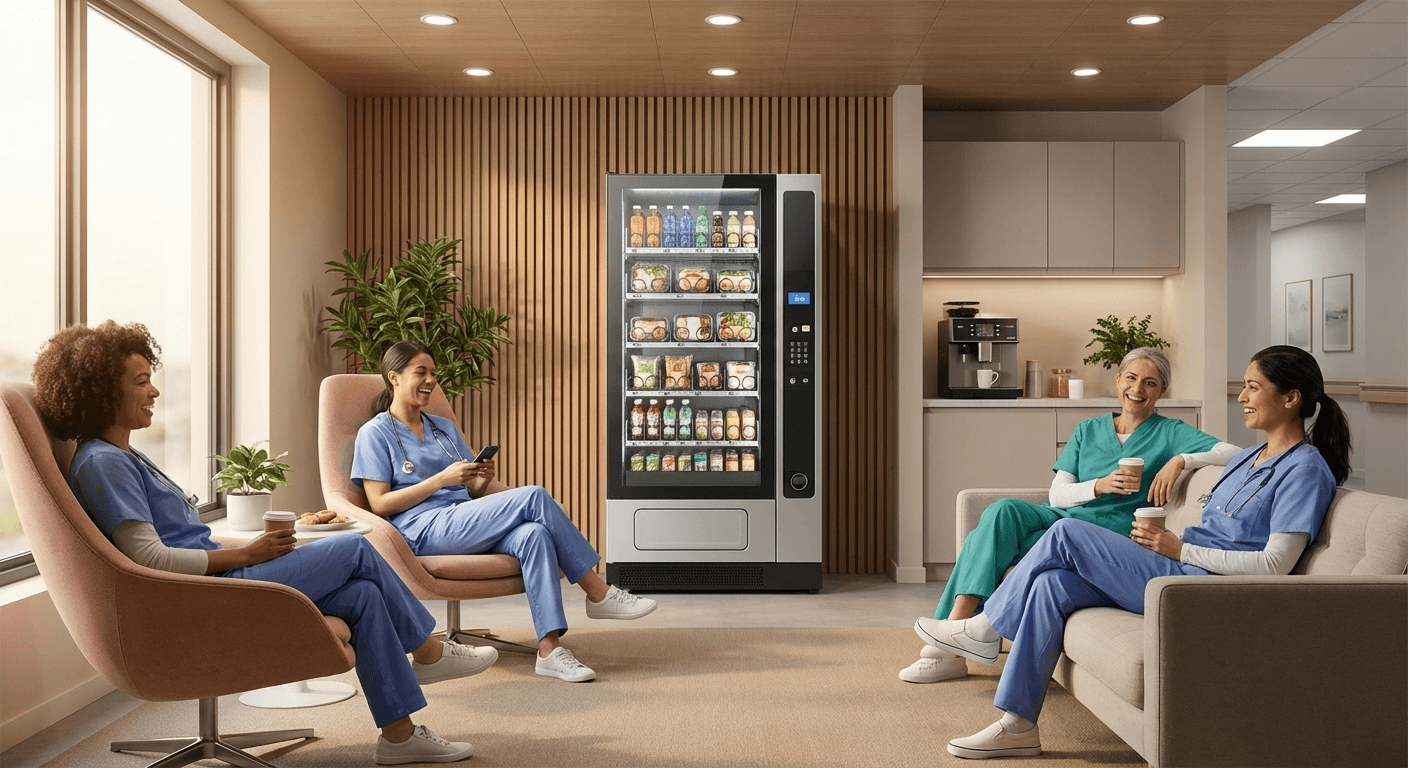
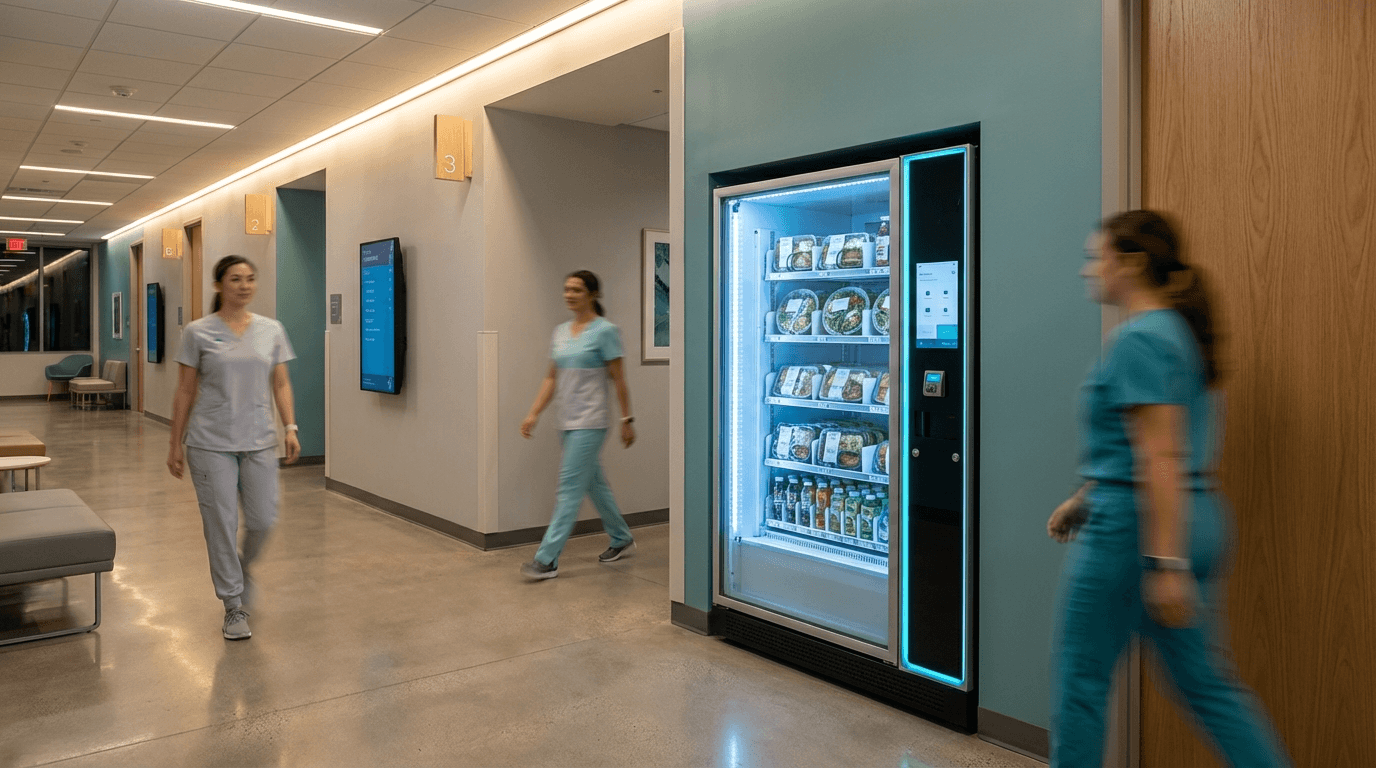
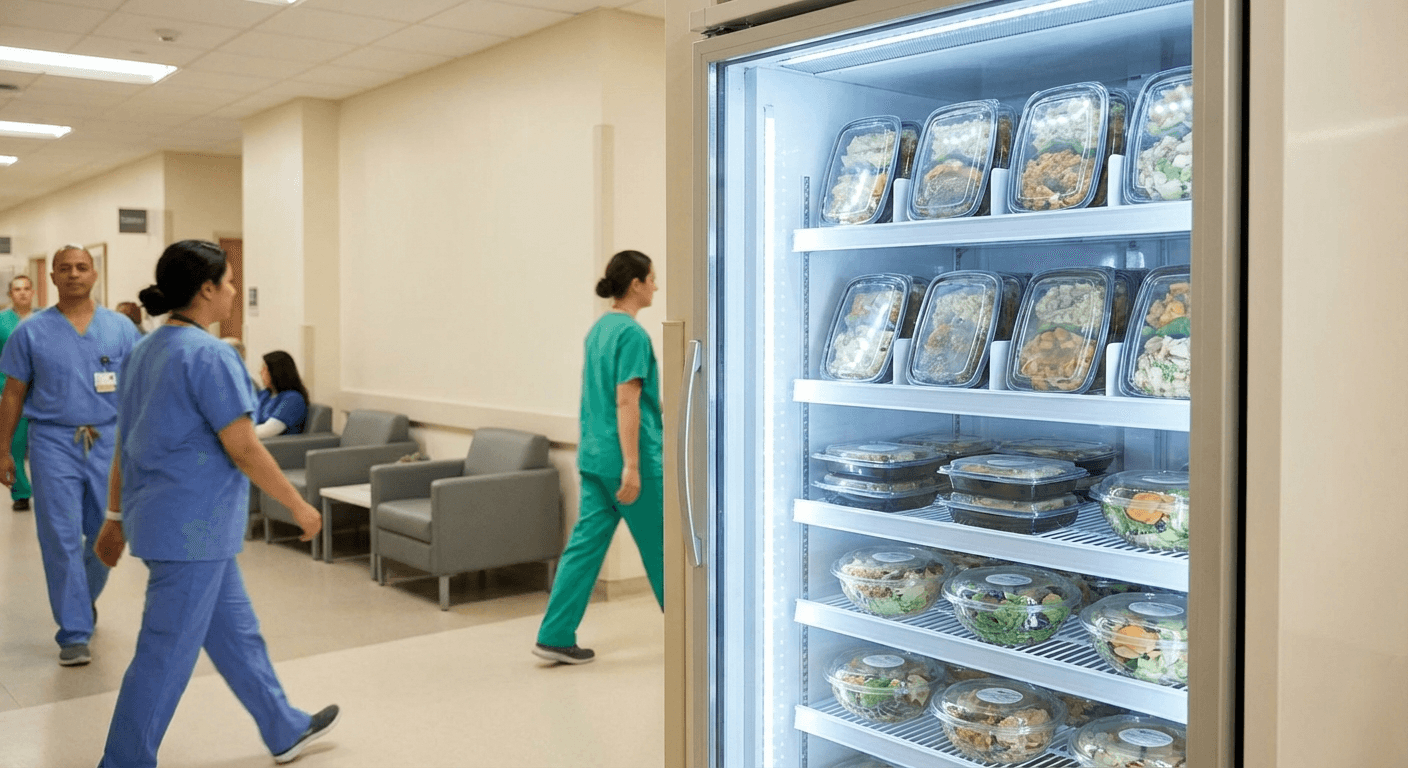
- 24/7 fresh food access (smart coolers/micro-markets): 15-25% improvement
- On-site childcare or childcare assistance: 18-28% improvement
- Concierge services (dry cleaning, oil changes, etc.): 8-15% improvement
- Transportation assistance or shuttle services: 6-12% improvement
Tier 4: Advanced Employee Experience
- Comprehensive wellness programs with incentives: 12-20% improvement
- Flexible scheduling technology and self-service options: 15-22% improvement
- Career development and tuition assistance programs: 20-30% improvement
- Recognition programs with meaningful rewards: 10-18% improvement
The Compound Effect: Integrated Amenity Programs
The most successful retention strategies combine multiple amenity categories rather than implementing isolated programs. Healthcare facilities with 3-4 high-impact amenities report cumulative retention improvements of 25-35%, while those with comprehensive programs (5+ amenities) achieve 30-45% improvements.
Case Study: Piedmont Healthcare's Comprehensive Approach
After implementing a multi-phase amenity enhancement program including 24/7 food service, enhanced break spaces, on-site fitness, and expanded parking, Piedmont reported:
- 32% reduction in nursing turnover across pilot units
- $2.8M annual savings in recruitment and overtime costs
- 18% improvement in employee satisfaction scores
- 15% reduction in sick leave utilization
The program investment totaled $1.2M in the first year, generating an ROI of 2.3:1 before accounting for productivity and patient satisfaction improvements.
Food Service: The Unexpected Retention Game-Changer
Among all amenity categories analyzed, 24/7 fresh food access consistently produces the highest retention impact relative to investment cost. This outcome surprises many healthcare leaders who assume expensive amenities like childcare or fitness facilities would generate greater returns.
Why Food Service Drives Retention
Daily Touchpoint Impact: Unlike amenities used occasionally, food access affects employees multiple times per shift, creating positive experiences that reinforce job satisfaction throughout the workday.
Shift Worker Support: Healthcare operates 24/7, but traditional cafeterias typically close by 7-8 PM, leaving night shift workers (30-40% of nursing staff) with poor food options during 12-hour shifts. Quality food access directly addresses this underserved population's needs.
Health and Energy Maintenance: Proper nutrition during long shifts directly impacts job performance, patient care quality, and employee well-being. Healthcare workers report that access to healthy meals reduces fatigue and improves focus during critical patient interactions.
Financial Relief: Hospital cafeteria prices and nearby restaurant costs can add $10-15 per shift to employee food expenses. Subsidized or competitively priced fresh food options provide meaningful financial relief, particularly for lower-wage support staff.
Social Connection: Shared meals and break areas foster team relationships and reduce the isolation common in healthcare settings, particularly during off-shifts when fewer staff are present.
Food Service ROI Analysis
Implementation Investment:
- Smart cooler installation (3-4 units for 400-bed hospital): $15,000-25,000
- Monthly food and service costs: $8,000-12,000
- Utilities and maintenance: $500-800 monthly
Total annual investment: $110,000-165,000
Measured Returns:
- 20% reduction in night shift nursing turnover: $800,000-1.8M savings
- 15% reduction in dietary and support staff turnover: $200,000-400,000 savings
- Decreased overtime premium payments: $150,000-300,000 savings
- Improved staff satisfaction and secondary retention benefits: $100,000-250,000 estimated value
Total annual return: $1.25M-2.75M
ROI Calculation: 7.6:1 to 16.7:1
This exceptional return reflects the relatively low cost of food service amenities compared to their disproportionate impact on daily employee experience and satisfaction.
Implementation Framework for Healthcare Leaders
Successfully implementing amenity-driven retention programs requires strategic planning, phased execution, and ongoing measurement. The following framework has proven effective across diverse healthcare organizations.
Phase 1: Assessment and Planning (Months 1-2)
1. Current State Analysis
- Conduct exit interviews to identify specific retention challenges
- Survey current staff on amenity preferences and priorities
- Analyze turnover patterns by department, shift, and employee demographics
- Review current amenity offerings and utilization rates
2. Budget and ROI Planning
- Calculate current turnover costs by role and department
- Identify available budget sources (HR, facilities, employee satisfaction funds)
- Develop 12-month investment timeline with expected returns
- Create business case presentation for executive approval
3. Vendor Research and Selection
- Evaluate amenity providers based on healthcare experience and references
- Request pilot program proposals for high-impact amenities
- Negotiate service agreements with performance metrics and guarantees
- Develop implementation timeline coordinated with facilities management
Phase 2: Pilot Implementation (Months 3-4)
1. Strategic Pilot Selection
- Choose 1-2 high-turnover departments for initial implementation
- Focus on amenities with quick setup and immediate visibility
- Implement measurement systems before program launch
- Establish baseline metrics for comparison
2. Staff Communication and Engagement
- Announce pilot program with clear explanation of goals and timeline
- Gather feedback during initial weeks and make rapid adjustments
- Highlight connection between amenities and organizational investment in staff
- Create feedback mechanisms for ongoing improvement suggestions
Phase 3: Expansion and Optimization (Months 5-8)
1. Data-Driven Expansion
- Analyze pilot program results and identify successful elements
- Expand successful amenities to additional departments and shifts
- Eliminate or modify underutilized program elements
- Add complementary amenities based on staff feedback and utilization data
2. Integration with Overall Retention Strategy
- Coordinate amenity programs with recruitment messaging and employer branding
- Train managers on leveraging amenities in retention conversations
- Include amenity satisfaction in regular employee surveys
- Develop recognition programs highlighting amenity program success stories
Phase 4: Measurement and Continuous Improvement (Ongoing)
1. Comprehensive Metrics Tracking
- Monitor retention rates by department, shift, and employee tenure
- Track amenity utilization rates and satisfaction scores
- Calculate ongoing ROI and adjust programs based on performance
- Benchmark results against industry standards and peer organizations
2. Program Evolution
- Regularly survey staff on new amenity needs and preferences
- Evaluate emerging amenity trends and pilot innovative programs
- Adjust offerings based on demographic shifts and operational changes
- Share success stories and best practices across the organization
Budget Approval Strategies for Healthcare HR Leaders
Securing executive approval for amenity investments requires presenting compelling business cases that align with organizational priorities and financial constraints. Successful proposals typically emphasize financial returns, operational benefits, and competitive advantages.
Building the Financial Case
1. Turnover Cost Documentation
Present detailed analysis of current turnover costs including:
- Direct replacement expenses with vendor quotes and historical data
- Overtime costs attributed to understaffing with payroll documentation
- Temporary staffing expenses with agency contract analysis
- Productivity loss estimates with department manager input
2. Conservative ROI Projections
- Use modest retention improvement estimates (10-15% rather than optimistic 20-25%)
- Include only quantifiable returns (exclude soft benefits like morale)
- Provide sensitivity analysis showing returns under various scenarios
- Compare proposed investment to alternative retention strategies
3. Implementation Risk Mitigation
- Propose pilot programs with limited initial investment and expansion based on results
- Negotiate vendor agreements with performance guarantees and easy termination clauses
- Include alternative implementation approaches if primary plan exceeds budget
- Demonstrate vendor experience and references from comparable healthcare organizations
Addressing Common Executive Concerns
"Budget constraints are too tight for new programs"
- Position amenities as cost reduction strategies rather than additional expenses
- Compare amenity investment costs to current turnover expenses
- Propose phased implementation to spread costs across multiple budget cycles
- Identify potential budget sources beyond traditional HR allocations
"Staff might not use amenities consistently"
- Present utilization data from comparable healthcare facilities
- Propose utilization guarantees with vendor partnerships
- Include feedback collection systems to ensure program relevance
- Start with high-demand amenities identified through staff surveys
"Return on investment is uncertain"
- Provide conservative estimates with multiple scenario analyses
- Include benchmark data from peer organizations
- Propose measurement systems to track actual returns
- Suggest pilot programs to prove concept before full implementation
"Implementation might disrupt operations"
- Develop detailed implementation plans minimizing operational impact
- Schedule installations during low-census periods or planned maintenance windows
- Include staff communication strategies to manage change effectively
- Propose partnerships with vendors experienced in healthcare environments
Industry Trends and Future Considerations
The healthcare amenity landscape continues evolving as organizations compete for talent and adapt to changing workforce expectations. Several trends are shaping future amenity strategies and should inform long-term planning decisions.
Emerging Amenity Categories
Mental Health and Wellness Support
- On-site counseling and therapy services
- Meditation and mindfulness spaces
- Stress reduction programs with biometric tracking
- Peer support and employee resource groups
Technology-Enabled Convenience
- Mobile apps for amenity scheduling and feedback
- AI-powered shift scheduling with preference optimization
- Digital concierge services for personal task management
- Telemedicine access for employee and family healthcare
Family and Life Support
- Emergency childcare and backup care services
- Elder care resources and support groups
- Financial planning and assistance programs
- Career development and advancement pathways
Generational Considerations
Millennial and Gen Z Healthcare Workers (now 60%+ of nursing workforce) prioritize:
- Work-life balance and flexible scheduling options
- Professional development and career advancement opportunities
- Technology integration and digital convenience
- Environmental sustainability and social responsibility
Experienced Healthcare Workers (approaching retirement) value:
- Health and wellness programs with family access
- Recognition for experience and mentorship opportunities
- Phased retirement and reduced schedule options
- Financial planning and retirement preparation resources
Post-Pandemic Adaptations
COVID-19 permanently shifted healthcare worker priorities and expectations:
- Enhanced safety protocols and PPE access
- Mental health support and trauma counseling
- Flexible work arrangements where possible
- Increased compensation and hazard pay considerations
Measuring Success: Key Performance Indicators
Effective amenity programs require ongoing measurement to ensure continued relevance and return on investment. Successful healthcare organizations track both quantitative and qualitative metrics to optimize program performance.
Primary Retention Metrics
- Turnover Rate by Department and Shift: Monthly tracking with rolling 12-month averages
- Voluntary vs. Involuntary Departures: Distinction between preventable and non-preventable turnover
- Time to Fill Open Positions: Average days from posting to hire completion
- New Hire Retention: 90-day and 1-year retention rates for recent hires
Amenity Utilization Metrics
- Usage Rates by Program: Daily, weekly, and monthly utilization tracking
- Demographic Usage Patterns: Analysis by department, shift, and employee tenure
- Satisfaction Scores: Regular surveys with specific amenity feedback
- Suggestion Implementation: Response to employee feedback and requests
Financial Performance Metrics
- Cost per Retained Employee: Total program cost divided by estimated retention improvement
- ROI Calculation: (Turnover Cost Savings - Program Investment) / Program Investment
- Cost Avoidance: Estimated recruitment and training costs prevented
- Overtime Reduction: Decreased premium labor costs attributed to improved retention
Leading Indicators
- Employee Satisfaction Scores: Quarterly surveys with amenity-specific questions
- Exit Interview Feedback: Specific mentions of amenity programs in departure discussions
- Manager Retention Conversations: Frequency of amenity-related retention discussions
- Recruitment Success: Improved candidate acceptance rates and hiring metrics
Conclusion: The Strategic Imperative for Healthcare Amenities
The healthcare staffing crisis demands innovative solutions that go beyond traditional compensation and benefits packages. Strategic workplace amenities represent one of the most cost-effective approaches to improving retention while enhancing the daily experience of healthcare workers who dedicate their careers to patient care.
The data consistently demonstrates that thoughtfully implemented amenity programs generate substantial returns on investment while creating workplaces where healthcare professionals choose to build long-term careers. Organizations that act quickly to implement these programs will gain competitive advantages in talent attraction and retention that become increasingly valuable as workforce shortages intensify.
For healthcare leaders evaluating amenity investments, the question is not whether to implement these programs, but how quickly they can be executed effectively. Every month of delay represents continued turnover costs and missed opportunities to improve both employee satisfaction and patient care quality.
The time for action is now. Healthcare workers have demonstrated their commitment to patient care through unprecedented challenges. Forward-thinking healthcare organizations will demonstrate their commitment to staff by creating workplace environments that support, nourish, and retain the talented professionals who make quality patient care possible.
Ready to reduce healthcare staff turnover through strategic amenity programs? Replenished Markets specializes in 24/7 fresh food solutions that deliver measurable retention improvements with exceptional ROI. Contact our healthcare team for a customized retention analysis and implementation proposal tailored to your facility's specific needs.