Smart Technology

Smart Cooler Energy Consumption: What to Expect on Your Electric Bill

Comprehensive analysis of smart cooler energy consumption, costs, and efficiency features including LED lighting, energy-efficient compressors, and monthly expense estimates.

RM

Replenished Markets

Fresh Food Vending Experts

February 18, 20268 min read
Smart Cooler Energy Consumption: What to Expect on Your Electric Bill

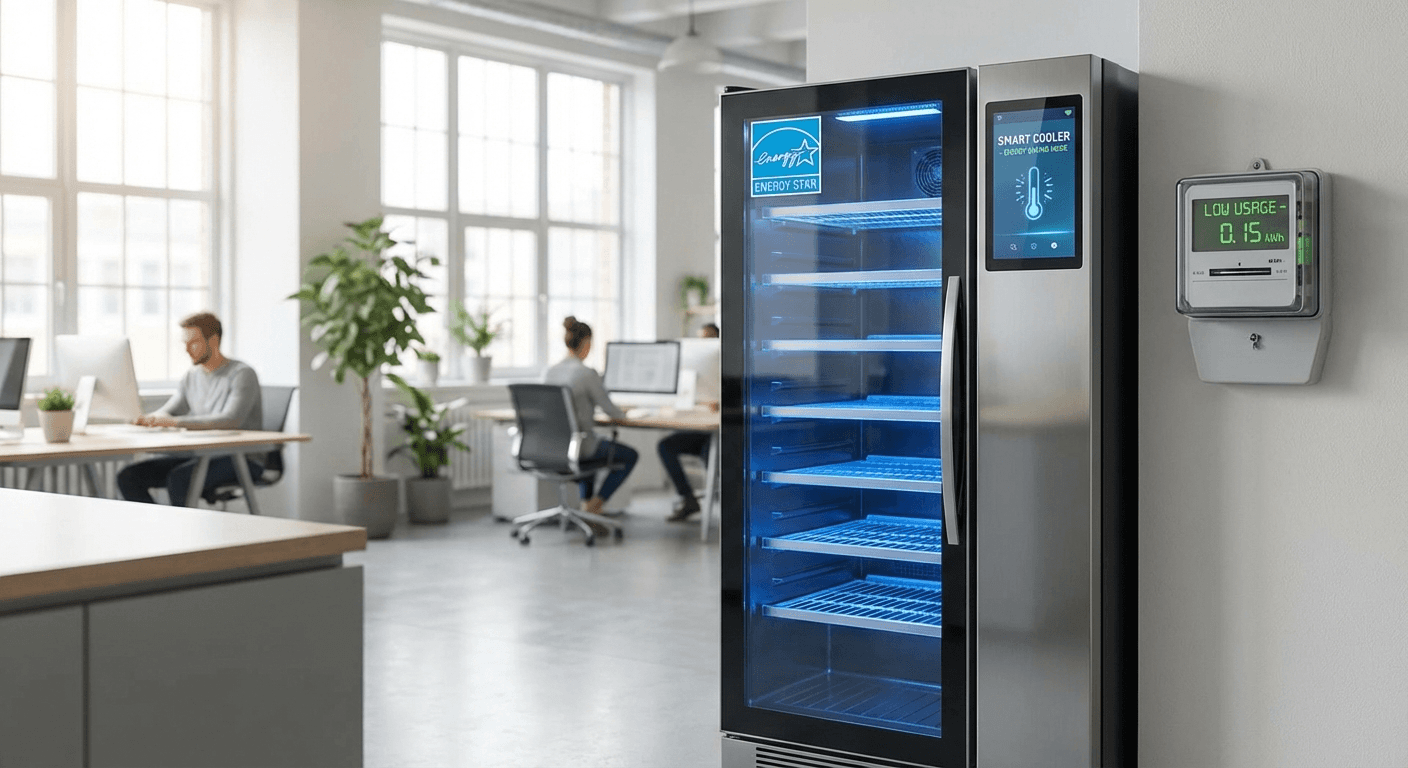
For facility managers evaluating smart cooler implementations, understanding energy consumption and its impact on operational costs is essential for accurate budgeting and ROI calculations. Modern smart coolers incorporate numerous energy-efficient technologies that significantly reduce power consumption compared to traditional vending machines, but the actual costs depend on multiple factors including usage patterns, ambient conditions, and local electricity rates. This comprehensive analysis provides realistic estimates and actionable insights for planning smart cooler deployments.

Understanding Smart Cooler Energy Requirements

Smart coolers operate as sophisticated refrigeration systems with integrated computing and networking capabilities, creating a unique energy consumption profile that differs significantly from traditional vending machines.

Core Energy Components

Smart cooler energy consumption consists of several major components:

Refrigeration System: 60-75% of total energy consumption, including compressor, condenser fans, and evaporator systems

LED Lighting: 10-15% of total consumption, providing interior illumination and user interface backlighting

Computing Systems: 8-12% of total consumption for processors, touchscreens, inventory sensors, and networking equipment

User Interface: 3-8% of total consumption for touchscreen displays, payment terminals, and interactive components

Peripheral Systems: 2-5% of total consumption for security systems, backup power, and auxiliary equipment

Understanding these components helps facility managers identify optimization opportunities and compare different smart cooler models effectively.

Baseline Consumption Ranges

Modern smart coolers typically consume between 3.5 and 6.5 kWh per day, with variations based on:

Unit Size: Smaller units (20-30 selections) average 3.5-4.5 kWh daily, while larger units (50+ selections) consume 5.0-6.5 kWh daily

Technology Level: Basic models with simple controls consume less power than advanced units with multiple sensors and AI capabilities

Usage Intensity: High-traffic installations experience increased energy consumption due to frequent door openings and compressor cycles

Environmental Conditions: Ambient temperature, humidity, and air circulation significantly impact cooling requirements

Comparative Analysis: Smart Coolers vs. Traditional Vending

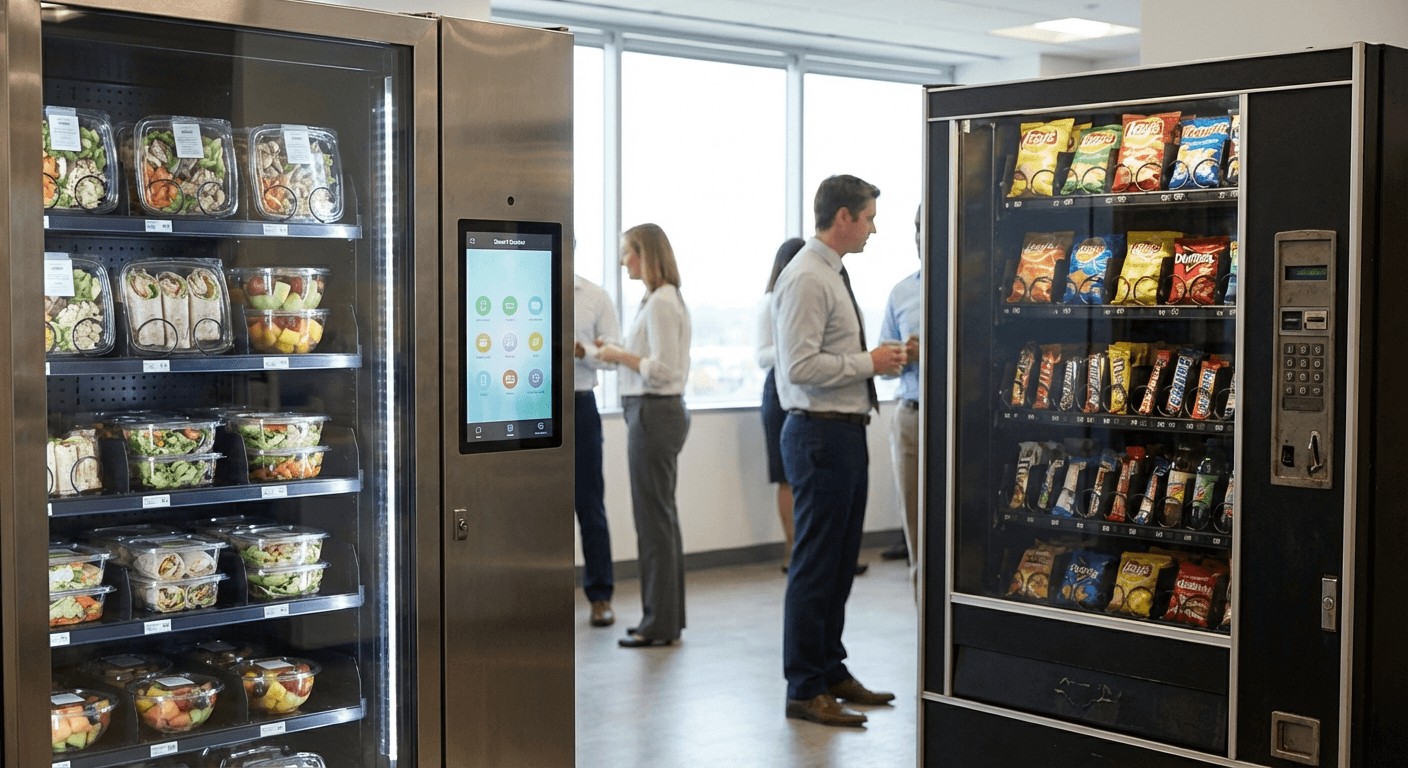
When evaluating energy costs, comparing smart coolers to existing vending solutions provides important context for decision-making.

Traditional Vending Machine Consumption

Older vending machines typically consume significantly more energy:

Refrigerated Snack/Beverage Machines: 8-12 kWh daily for comparable-sized units Glass-Front Merchandisers: 10-15 kWh daily due to poor insulation and inefficient lighting Combination Units: 12-18 kWh daily for machines offering both refrigerated and ambient products

Energy Efficiency Improvements

Smart coolers achieve 40-60% energy reduction through several technological improvements:

Variable-Speed Compressors: Adjust cooling output based on actual demand rather than operating at fixed capacity Advanced Insulation: Multi-layer insulation systems reduce heat transfer and minimize cooling losses Smart Controls: Intelligent systems that optimize cooling cycles based on usage patterns and ambient conditions Efficient Lighting: LED systems consume 75-85% less energy than traditional fluorescent lighting

LED Lighting vs. Fluorescent Systems

Lighting represents a significant portion of vending machine energy consumption, making the choice between LED and fluorescent systems crucial for operational costs.

LED Lighting Advantages

Modern smart coolers exclusively use LED lighting systems for multiple efficiency benefits:

Energy Consumption: LED systems consume 10-15 watts compared to 40-60 watts for equivalent fluorescent lighting

Lifespan: LED lights last 25,000-50,000 hours compared to 8,000-12,000 hours for fluorescent bulbs, reducing maintenance costs

Heat Generation: LED lights produce minimal heat, reducing cooling load and compressor runtime

Instant Operation: LED lights reach full brightness immediately without warm-up time, enabling motion-activated lighting systems

Dimming Capability: Smart LED systems can adjust brightness based on ambient light conditions and usage patterns

Cost Comparison

The financial impact of lighting choice is substantial over the equipment lifecycle:

Daily Energy Cost (assuming $0.12/kWh):

  • LED System: $0.03-0.05 daily
  • Fluorescent System: $0.12-0.18 daily
  • Annual Savings: $35-50 per smart cooler

Maintenance Cost Savings: Reduced bulb replacement frequency saves $25-40 annually in labor and materials

Cooling Load Reduction: Lower heat generation reduces compressor runtime by 5-10%, saving additional energy

Energy-Efficient Compressor Technology

The compressor system represents the largest energy consumer in smart coolers, making compressor efficiency crucial for controlling operational costs.

Variable-Speed Technology

Modern smart coolers utilize variable-speed compressors that adapt to cooling demands:

Demand-Based Operation: Compressors adjust speed based on internal temperature, ambient conditions, and door opening frequency

Energy Savings: Variable-speed systems consume 25-40% less energy than fixed-speed alternatives during typical operation

Temperature Stability: More precise temperature control reduces temperature swings that waste energy

Noise Reduction: Variable-speed operation reduces noise levels, making smart coolers suitable for quiet office environments

Inverter Technology

Advanced compressor systems incorporate inverter technology for optimal efficiency:

Soft Start Technology: Gradual acceleration reduces electrical demand spikes and extends compressor life

Power Factor Correction: Improved electrical efficiency reduces reactive power consumption and may qualify for utility rebates

Enhanced Controls: Integration with smart cooling algorithms that predict cooling needs and pre-cool during off-peak hours

Maintenance Benefits: Reduced wear and tear from frequent starts and stops extends equipment life and reduces service costs

Standby and Sleep Modes

Smart coolers incorporate intelligent power management systems that significantly reduce energy consumption during low-activity periods.

Automated Power Management

Modern systems automatically adjust power consumption based on usage patterns:

Sleep Mode Activation: Automatic transition to low-power mode during predetermined hours or extended periods without activity

Progressive Power Reduction: Gradual reduction of non-essential systems (display brightness, sensor frequency) during low-activity periods

Wake-Up Optimization: Intelligent systems that anticipate usage patterns and pre-warm systems before peak activity periods

Holiday Programming: Special programming for extended shutdown periods during holidays and building closures

Energy Savings Potential

Standby modes can reduce energy consumption by 20-35% during off-hours:

Overnight Savings: 8-10 hours of reduced power consumption can save 0.5-1.0 kWh daily

Weekend Savings: Extended low-power periods during weekends can reduce weekly consumption by 8-12%

Vacation Periods: Special shutdown modes for extended building closures can reduce energy consumption by up to 60%

Monthly Cost Estimates

Understanding the realistic monthly electricity costs for smart cooler operations enables accurate budgeting and financial planning.

Cost Calculation Factors

Several variables influence monthly electricity costs:

Local Electricity Rates: Ranging from $0.08/kWh in some regions to $0.25/kWh or higher in premium markets

Demand Charges: Some commercial electricity rates include demand charges based on peak power consumption

Time-of-Use Pricing: Variable rates based on peak and off-peak usage hours

Seasonal Variations: Higher costs during summer months due to increased cooling demands and peak electricity pricing

Realistic Cost Estimates

Based on average consumption of 4.5 kWh daily and varying electricity rates:

Low-Cost Regions ($0.08/kWh): $10.80 monthly Average Regions ($0.12/kWh): $16.20 monthly High-Cost Regions ($0.18/kWh): $24.30 monthly Premium Markets ($0.25/kWh): $33.75 monthly

These estimates include typical consumption variations due to seasonal changes and usage patterns.

Additional Cost Considerations

Beyond basic electricity consumption, other factors may affect total energy costs:

Demand Charges: Additional $5-15 monthly for smart coolers that increase facility peak demand

Power Factor Penalties: Potential charges for facilities with poor power factor, though modern smart coolers typically improve overall power factor

Utility Rebates: Many utilities offer rebates for energy-efficient equipment that can offset 10-30% of purchase costs

Tax Incentives: Federal and state tax incentives for energy-efficient commercial equipment may apply

Environmental and Ambient Factors

Smart cooler energy consumption varies significantly based on environmental conditions and installation location.

Ambient Temperature Impact

Environmental temperature significantly affects cooling requirements:

Moderate Conditions (68-72°F): Baseline energy consumption as specified by manufacturers

Warm Conditions (75-80°F): 15-25% increase in energy consumption due to increased cooling load

Hot Conditions (80°F+): 25-40% increase in consumption, with potential for equipment stress and reduced efficiency

Cold Conditions (Below 65°F): 10-20% reduction in consumption due to reduced cooling requirements

Humidity Considerations

High humidity environments increase energy consumption through additional cooling load:

Dehumidification Load: High humidity requires additional energy to remove moisture from air entering the cooling system

Condensation Management: Energy required to manage condensation on cooling coils and exterior surfaces

Insulation Performance: High humidity can reduce insulation effectiveness, increasing cooling load

Location-Specific Factors

Installation location within facilities affects energy consumption:

Near Heat Sources: Proximity to kitchens, copiers, or sunny windows increases cooling requirements by 20-35%

High-Traffic Areas: Frequent door openings increase energy consumption by 10-20% compared to low-traffic locations

Air Circulation: Poor air circulation around smart coolers reduces heat dissipation efficiency and increases energy consumption

Direct Sunlight: Exposure to direct sunlight can increase cooling load by 15-30% depending on duration and intensity

Energy Optimization Strategies

Facility managers can implement various strategies to minimize smart cooler energy consumption and associated costs.

Installation Optimization

Proper installation significantly impacts energy efficiency:

Location Selection: Positioning smart coolers away from heat sources, direct sunlight, and high-traffic air currents

Clearance Requirements: Maintaining proper clearances around units for heat dissipation and air circulation

Electrical Supply: Ensuring adequate and stable electrical supply to prevent efficiency losses due to voltage variations

Network Connectivity: Reliable network connections enable remote monitoring and optimization of energy consumption

Operational Best Practices

Simple operational practices can reduce energy consumption by 10-20%:

Temperature Settings: Optimizing temperature settings for food safety while minimizing energy consumption

Maintenance Scheduling: Regular maintenance ensures peak efficiency and prevents energy waste due to dirty coils or filters

Usage Monitoring: Tracking energy consumption patterns to identify optimization opportunities

Employee Education: Training employees on efficient usage practices that minimize energy waste

Technology Integration

Advanced features can provide additional energy savings:

Building Management Integration: Connection with building HVAC systems to optimize overall energy consumption

Time-of-Use Optimization: Programming smart coolers to pre-cool during off-peak rate periods when possible

Demand Response Participation: Integration with utility demand response programs for additional cost savings

Energy Monitoring Systems: Real-time monitoring systems that identify efficiency problems and optimization opportunities

Maintenance Impact on Energy Efficiency

Regular maintenance is crucial for maintaining energy efficiency and controlling operational costs throughout the smart cooler lifecycle.

Preventive Maintenance Benefits

Scheduled maintenance prevents efficiency degradation:

Coil Cleaning: Regular cleaning of condenser and evaporator coils maintains heat transfer efficiency

Filter Replacement: Clean air filters ensure proper airflow and prevent system strain

Refrigerant Level Checks: Proper refrigerant levels maintain cooling efficiency and prevent compressor damage

Seal Inspection: Door seals and gaskets prevent air leakage that increases cooling load

Performance Monitoring

Continuous monitoring identifies efficiency problems before they become costly:

Energy Consumption Tracking: Monitoring daily consumption patterns to identify efficiency degradation

Temperature Monitoring: Ensuring consistent temperature performance without excessive energy consumption

Compressor Performance: Tracking compressor runtime and efficiency metrics to predict maintenance needs

Alert Systems: Automated alerts for efficiency problems or unusual energy consumption patterns

Future Energy Efficiency Developments

The smart cooler industry continues to innovate with new technologies that will further improve energy efficiency and reduce operational costs.

Advanced Cooling Technologies

Emerging cooling technologies promise additional efficiency improvements:

Magnetic Refrigeration: Solid-state cooling technology that could reduce energy consumption by 20-30% when commercially viable

Thermoelectric Cooling: Solid-state cooling for specific applications with precise temperature control requirements

Heat Recovery Systems: Technologies that capture and reuse waste heat for other building systems

Advanced Refrigerants: New refrigerant formulations with improved thermodynamic properties and lower environmental impact

Smart Grid Integration

Integration with smart grid technologies will provide new optimization opportunities:

Grid-Responsive Controls: Smart coolers that automatically adjust operation based on grid conditions and electricity pricing

Energy Storage Integration: Potential integration with battery storage systems for peak shaving and load shifting

Renewable Energy Integration: Direct connection with on-site solar or wind generation for reduced grid consumption

Carbon Footprint Optimization: Systems that automatically adjust operation to minimize carbon footprint based on grid energy sources

Financial Planning and Budgeting

Accurate energy cost planning requires consideration of multiple factors beyond basic consumption estimates.

Budget Allocation Guidelines

Facility managers should allocate energy costs as follows in their budgets:

Base Energy Costs: 85-90% of budget should cover expected consumption under normal conditions

Seasonal Variations: 5-10% additional allocation for summer cooling load increases

Efficiency Degradation: 3-5% annual increase allowance for equipment aging and efficiency loss

Unexpected Conditions: 5-10% contingency for unusual weather or operational conditions

Cost-Benefit Analysis

Energy efficiency investments should be evaluated using comprehensive cost-benefit analysis:

Initial Investment: Higher upfront costs for energy-efficient models vs. annual savings over equipment lifecycle

Maintenance Savings: Reduced maintenance costs from more efficient systems with longer component life

Utility Rebates: Available incentives that reduce net investment costs

Carbon Footprint Value: Potential value of reduced carbon emissions for organizations with sustainability goals

Conclusion

Smart cooler energy consumption represents a manageable and predictable operational cost that compares favorably to traditional vending alternatives while providing significantly enhanced functionality and employee satisfaction. With typical monthly electricity costs ranging from $10-35 depending on local rates and usage patterns, smart coolers deliver substantial energy efficiency improvements over traditional vending machines while providing fresh food options that were previously unavailable.

The combination of LED lighting, variable-speed compressors, advanced insulation, and intelligent controls creates energy-efficient systems that minimize environmental impact while controlling operational costs. For facility managers planning smart cooler implementations, understanding these energy characteristics enables accurate budgeting and optimal system selection based on specific facility requirements and local conditions.

As technology continues to advance and energy efficiency regulations become more stringent, smart coolers equipped with the latest efficiency features will provide even greater value while supporting organizational sustainability goals and controlling long-term operational costs.

Related Articles

Facility Management
The Complete Guide to Smart Cooler Vending for Atlanta Facilities

The Complete Guide to Smart Cooler Vending for Atlanta Facilities

Everything facility managers need to know about implementing smart cooler fresh food vending in Atlanta healthcare, corporate, and educational facilities.

8 min read2/9/2026
Read Article
Smart Technology
Smart Cooler vs Traditional Vending: What Facility Managers Need to Know

Smart Cooler vs Traditional Vending: What Facility Managers Need to Know

A comprehensive comparison of smart cooler fresh food vending versus traditional vending machines, covering costs, benefits, and implementation considerations for facility managers.

7 min read2/9/2026
Read Article
Smart Technology
What Is a Smart Cooler? A Complete Guide for Facility Managers

What Is a Smart Cooler? A Complete Guide for Facility Managers

Learn everything about smart cooler technology - how it works, key features, benefits, and why facility managers are choosing smart coolers over traditional vending machines.

8 min read2/9/2026
Read Article

Ready to Implement Fresh Food Vending at Your Facility?

Our team specializes in helping Atlanta facilities implement smart cooler solutions that improve employee satisfaction and support workplace wellness goals. Get started to check availability for your facility.