Smart Coolers for K-12 Schools in Atlanta: A Practical Guide
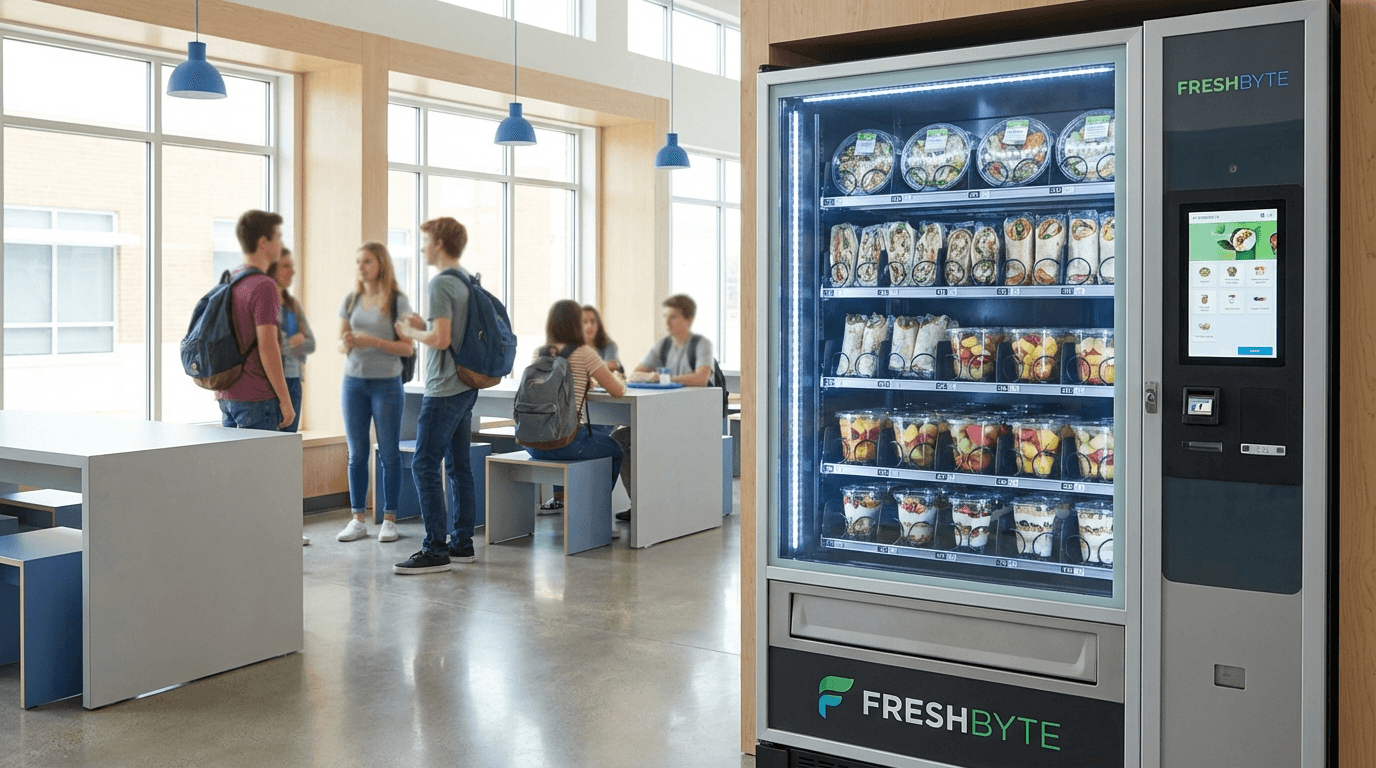
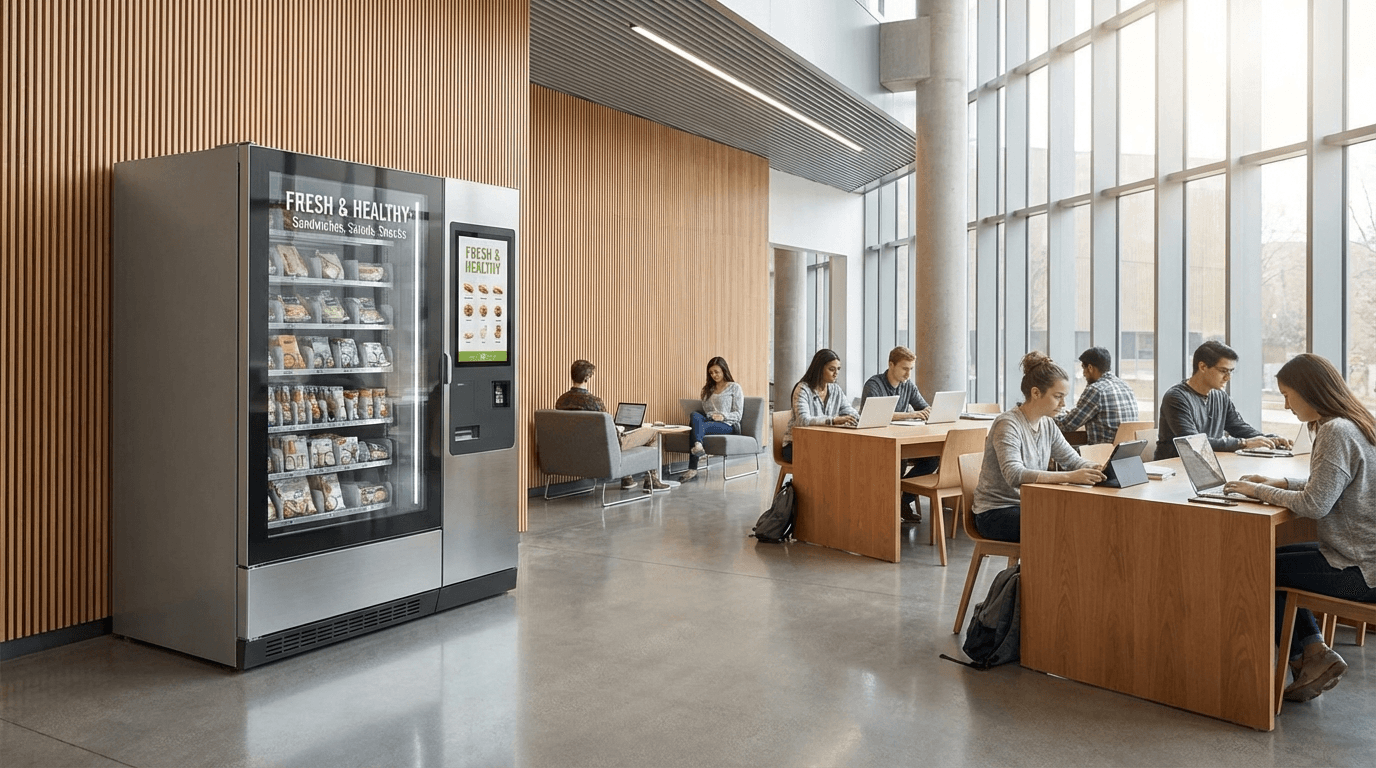
Smart coolers for K-12 schools in Atlanta offer an opportunity to extend fresh food access beyond the cafeteria — for students during after-school hours, for faculty during evenings and events, and for staff who work outside standard cafeteria operating windows.
This is a more nuanced market than corporate offices or hospitals. K-12 schools operate under USDA nutrition guidelines for student meals and snacks sold on campus. State and local policies vary. Procurement decisions involve school nutrition directors, principals, and sometimes district leadership. The technology conversation is secondary to the compliance and policy conversation.
This guide covers what administrators, nutrition directors, and school facility managers need to know before exploring smart coolers for an Atlanta-area K-12 campus.
The Nutrition Access Gap in Atlanta-Area Schools
After School Hours
The most common smart cooler use case in K-12 schools is serving students and staff during after-school programs, athletics, tutoring, and extracurricular activities — when the cafeteria is closed but students and faculty are still on campus.
After-school participants often have no food options between end-of-day lunch service and when parents pick them up hours later. For students in extended programs that run until 6 PM or later, this is a genuine nutrition gap.
Staff Food Access
Teachers and staff at K-12 schools often arrive early, stay late, and work evenings for parent meetings and events. Their cafeteria access is limited to student lunch periods and isn't always accessible or appropriate for staff.
Smart coolers in staff break rooms or teacher lounges — separate from student-accessible locations — provide a straightforward solution for faculty nutrition without USDA compliance complications.
Summer Programs and Year-Round Campuses
Schools operating summer enrichment programs, credit recovery, or year-round calendars may have food service gaps when traditional cafeteria staffing isn't justified by volume. Smart coolers can supplement or replace cafeteria service for smaller summer populations.
USDA Nutrition Standards: What You Need to Know
This is the most important section for K-12 administrators. If smart cooler products are sold to students on campus during the school day, they fall under USDA Smart Snacks in School standards.
Smart Snacks in School Requirements
Any food sold to students on campus outside of the National School Lunch Program must meet Smart Snacks in School nutrition standards. Key requirements include:
Calorie limits:
- Snack items: ≤200 calories
- Entrée items: ≤350 calories
Nutrient standards:
- Total fat: ≤35% of calories
- Saturated fat: <10% of calories
- Trans fat: 0g
- Sugar: ≤35% of weight
- Sodium: Snacks ≤200mg; Entrées ≤480mg
Positive nutrient requirements:
- Must be a whole grain, fruit, vegetable, dairy, or protein item — or have at least 10% DV of calcium, potassium, vitamin D, or dietary fiber
What this means practically:
Most fresh fruit, vegetables, yogurt, and whole-grain items meet these standards. Many sandwiches, wraps, and prepared entrées can be designed to comply with appropriate portion sizing and ingredients.
A vendor serving K-12 schools should have documented Smart Snacks compliance for every product they propose. If they don't, they're not ready to serve this market.
Timing Restrictions
Smart Snacks standards apply during the school day — from midnight until 30 minutes after the last scheduled class period. After-school use (after 30 minutes post-dismissal) is generally not subject to Smart Snacks requirements.
This distinction matters for planning. After-school smart coolers can carry a broader product range than products sold during school hours.
State and District Variations
Georgia State Board of Education and individual district wellness policies may impose additional restrictions beyond federal standards. Before installing a smart cooler in any Cobb County, Fulton County, DeKalb County, or other Atlanta-area school district campus, verify current local policy requirements with your district nutrition director.
Implementation Considerations for Atlanta-Area Schools
Who Makes the Decision?
Smart cooler procurement in K-12 schools typically involves:
- School nutrition director (district or school level): Primary decision-maker for any food service modification; responsible for USDA compliance
- Principal: Approval authority for placement and any student-facing program
- District procurement: For any purchase or contract above the school's purchasing authority (varies by district)
- School board wellness committee: In some districts, amendments to wellness policy require committee review
Approach the nutrition director first, not the principal. Nutrition compliance is the gating issue.
Placement Options
Different placements have different compliance implications:
Staff-only areas (teacher lounges, faculty break rooms): Not subject to Smart Snacks standards. Simplest implementation.
After-school / post-dismissal areas: Subject to reduced restrictions (30+ minutes after last class). More flexible menu options.
Student-accessible during school hours: Full Smart Snacks compliance required for all products.
Administrative areas accessible to students and staff: Treat as student-accessible for compliance purposes.
Revenue and Funding
Revenue from smart cooler product sales in schools can contribute to school nutrition program funding. Some district nutrition programs operate as self-funded entities required to cover their costs from food service revenue — smart cooler income can contribute to this.
Procurement funding (if the school were to purchase equipment rather than use managed service) may be eligible for:
- Federal child nutrition program equipment grants
- Title I school improvement funding in some interpretations
- Local foundation or PTА support
Under managed service models, the school may not need any funding for the program itself.
Menu Design for K-12 Smart Coolers
For student-accessible smart coolers during school hours, every item must meet Smart Snacks standards. Practical menu options that comply:
Compliant options:
- Fresh fruit cups and whole fruits
- Baby carrots and hummus (portion-controlled)
- Low-fat yogurt parfaits within calorie limits
- Whole-grain granola bars meeting fat and sugar standards
- Low-sodium string cheese
- 100% fruit or vegetable juice (8 oz or less)
For after-school or staff-only units:
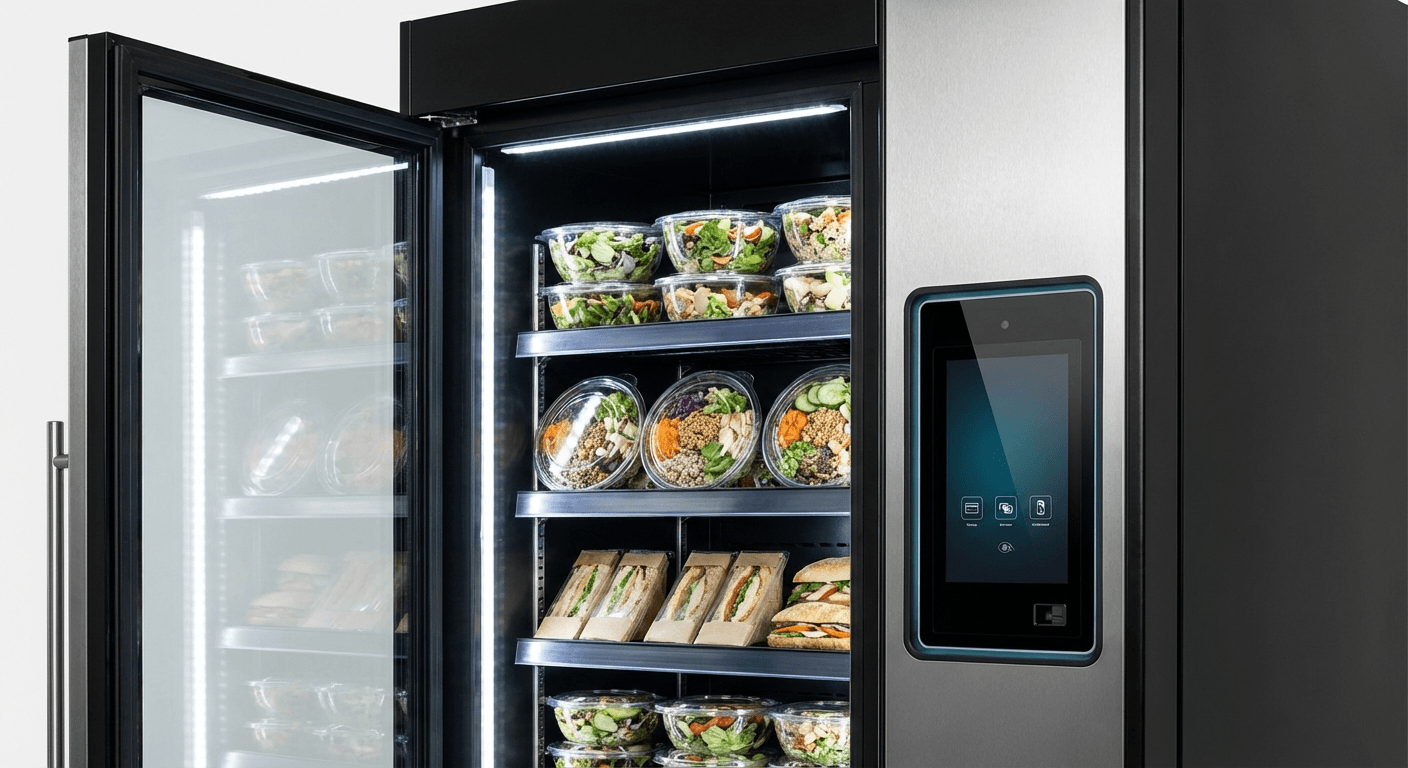
- Fresh sandwiches and wraps
- Salads with protein
- Hot entrées in microwave-safe containers
- Full beverage variety
Vendors serving K-12 accounts should maintain up-to-date Smart Snacks analysis for every product and make documentation available to school nutrition directors on request.
Smart Coolers in Atlanta University Campuses vs. K-12
It's worth noting the distinction: Atlanta's university campuses (Georgia Tech, Georgia State, Clark Atlanta, Emory, Morehouse, Spelman) have much more flexibility in smart cooler deployment because they're not subject to K-12 USDA nutrition requirements. University smart coolers can carry a full fresh food menu without compliance restrictions.
If your organization oversees both K-12 and higher education facilities, these markets need to be handled differently. See smart coolers for Atlanta universities for the university context.
The Right First Step for Atlanta-Area Schools
The cleanest entry point for most Atlanta-area K-12 schools is a staff-only smart cooler program in teacher lounges or administrative break rooms. This:
- Requires no USDA compliance review
- Serves a real staff nutrition need
- Demonstrates the program's quality and reliability
- Creates a foundation for expanding to student-accessible areas with appropriate compliance review
Once a staff program is running successfully, expanding to after-school student access with a compliant menu is a straightforward next step.
Explore Smart Cooler Options for Your School
Replenished Markets works with Atlanta-area educational facilities, including discussions with K-12 administrators about what's appropriate for their specific campus and district context.
Contact us to schedule a consultation. We'll discuss your school's specific situation — district policies, campus layout, student and staff population — and recommend an approach that fits within your compliance requirements.